
Porcelain vs Ceramic Tile for Georgia Bathroom Floors
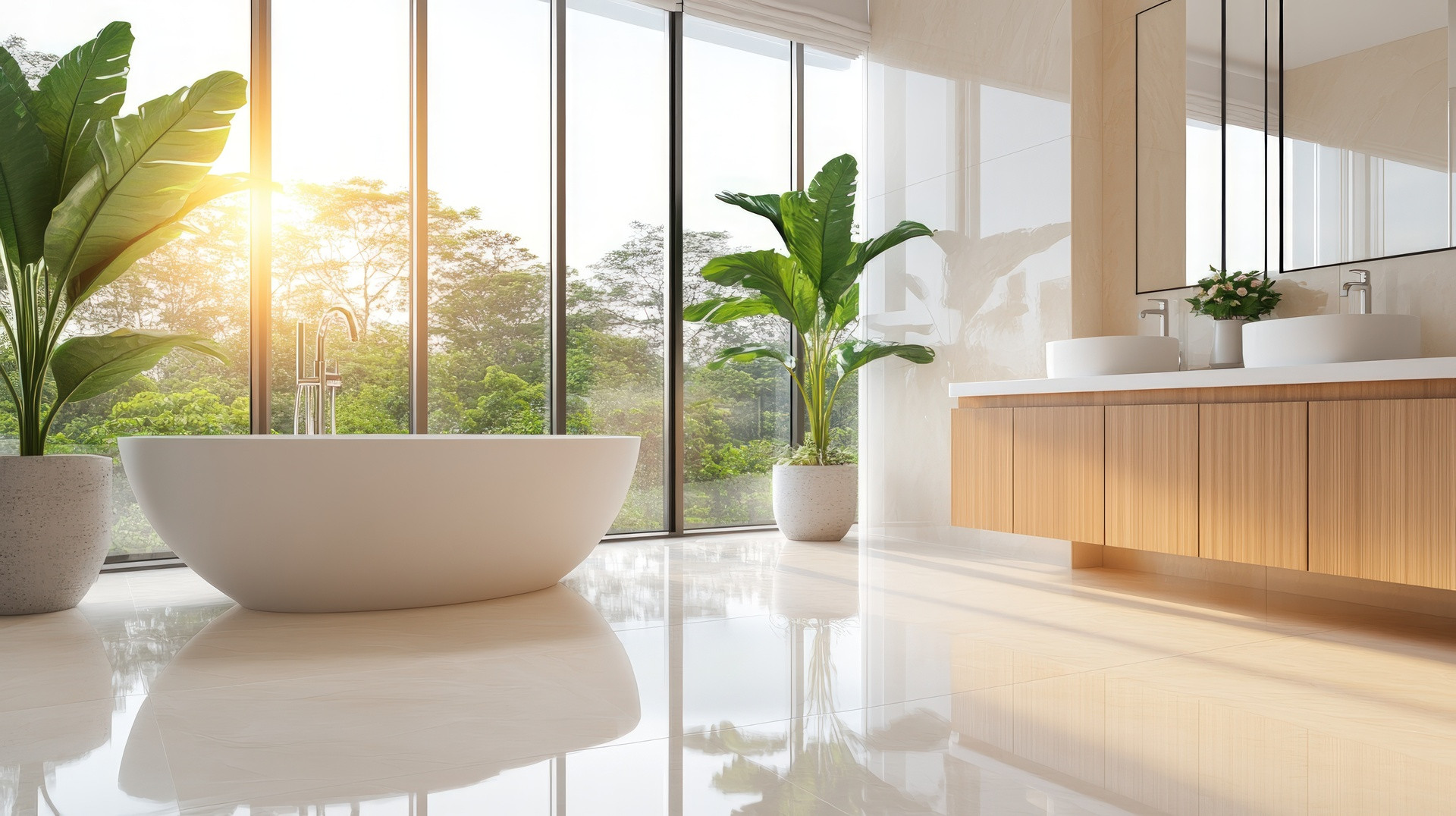
A bathroom floor in Georgia has a tough job. Between the humidity that hangs in the air through a Southern summer, the splashes from the shower, and the everyday foot traffic of a busy household, the surface underfoot needs to be both beautiful and genuinely tough. That is exactly why so many homeowners across North Georgia land on tile when it comes time to remodel.
The trouble is that once you start shopping, two words come up again and again: porcelain and ceramic. We at Carpets of Dalton hear this question constantly from folks across Dalton, Ringgold, Chattanooga, and the surrounding communities, and the good news is that both are wonderful choices. Understanding the small differences between them helps you pick the floor that will feel right for years to come.
What actually sets porcelain and ceramic apart
Porcelain and ceramic are cousins in the same family. Both are made from clay that gets shaped and fired in a kiln, and both fall under the broad umbrella of tile flooring that works beautifully in bathrooms. The difference comes down to how they are made and what that means for your space.
Porcelain is fired at a higher temperature using a denser, more refined clay. This makes it harder, less porous, and especially good at shrugging off moisture. Ceramic, by contrast, is a touch softer and slightly more absorbent, though it is still a fantastic and budget-friendly performer in most bathroom settings.
Why moisture resistance matters so much in a Georgia bathroom
Our Southern climate puts real demands on a bathroom floor. Porcelain absorbs very little water, often less than half a percent, which makes it the gold standard for spaces that see steam and splashing day after day.
Ceramic still resists water well, especially when it carries a quality glaze. For a powder room or a guest bath that sees lighter use, ceramic can be a smart and stylish pick that stretches your budget further.
How the two compare on durability and feel
Porcelain wins on raw toughness, standing up to heavy traffic and the occasional dropped hairdryer with ease. If your primary bathroom takes a beating from kids and pets, that extra density pays off.
Ceramic is a bit easier to cut and install, and it tends to feel a little warmer underfoot. Both materials hold their color beautifully and resist the fading that plagues other flooring types.
A few things to keep in mind before you decide
Choosing between these two is less about right and wrong and more about matching the tile to how you actually live. Here are the points we walk our customers through most often.
- Think about traffic. A busy primary bath leans toward porcelain, while a quiet guest bath opens the door to ceramic.
- Always choose a slip-resistant finish for bathroom floors. A textured or matte surface adds safety where water is present.
- Plan for the grout, not just the tile. Sealing grout lines keeps moisture out and your floor looking fresh for years.
- Consider the long view. Porcelain often costs a little more upfront but rewards you with exceptional longevity in wet rooms.
- See the tile in person. Lighting, texture, and scale read very differently in a showroom than they do on a screen.
Once you have weighed those points, the right answer usually becomes clear. Many of our customers end up mixing both, using porcelain on the floor and ceramic on the walls for a look that is as practical as it is gorgeous. You can explore the full range when you browse our tile catalog and start picturing the finished room.
Whichever direction you choose, a little care goes a long way. Following a simple routine of tile care and maintenance will keep your new bathroom floor looking its best season after season.
Talk to our flooring experts about your bathroom project
Picking the perfect bathroom tile is so much easier with a friendly guide by your side. We would love to help you compare porcelain and ceramic in person and find the option that fits your home and your budget, so contact us today and let’s get your project started.