
What’s Under Your Vinyl Matters: Subfloor Prep for a Floor That Doesn’t Feel Hollow
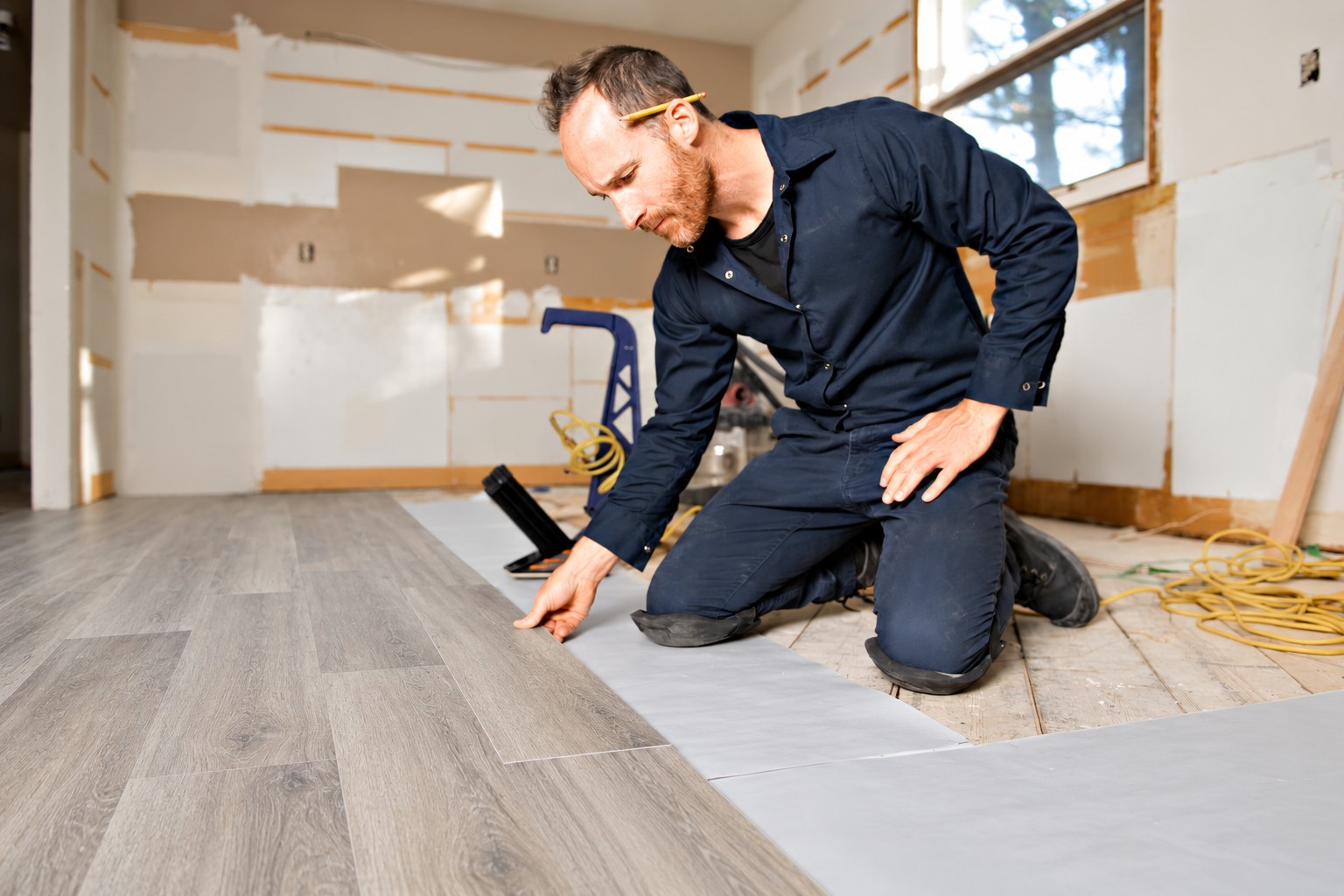
Luxury vinyl flooring has quickly become one of the most sought-after home upgrades across North Georgia. Homeowners love its realistic wood textures, waterproof durability, and simple everyday maintenance. However, even the highest quality planks can disappoint if you cut corners during installation.
Have you ever walked across a newly installed vinyl floor only to hear a sharp click-clack sound, or felt an annoying springiness beneath your feet? That hollow, echoing sensation happens when the base beneath the floor is uneven, dirty, or improperly prepared. At Carpets Of Dalton, our flooring experts know that the secret to a solid, quiet, and long-lasting installation always begins beneath the surface.
Proper subfloor preparation ensures your new luxury vinyl feels just as substantial and grounded as traditional hardwood. Here is everything you need to know about preparing your subfloor for lasting comfort and stability in Dalton, GA.
Why Subfloor Prep Controls the Feel of Your Floor
When you walk into our expansive showroom in Dalton, GA, you will notice how sturdy luxury vinyl plank samples feel underfoot. In a home setting, luxury vinyl relies entirely on what lies directly underneath it. Floating vinyl planks click together over a subfloor, conforming to the contours below over time.
Preventing the Hollow Bounce
If a subfloor has dips, bumps, or ridges, floating luxury vinyl bridges across these gaps instead of resting flush against the surface. Every time someone steps on that spot, the plank flexes downward until it strikes the subfloor, creating a noticeable empty bounce and an annoying tapping sound. Over time, that continuous vertical deflection stresses the delicate locking mechanisms of the planks, eventually causing joints to crack, separate, or fail completely.
Protecting Your Flooring Investment
Taking the time to flatten, clean, and stabilize your foundation prevents premature wear and tear. A well-prepared subfloor protects your manufacturer warranty, prevents creaking, and delivers that premium, solid feel you expect when investing in custom flooring for your home.
How to Prepare Different Types of Subfloors
Different subfloor materials present unique challenges. Whether your home is built on a concrete slab or a traditional wood joist system, specific preparation steps ensure flawless results.
Working with Concrete Slabs
Concrete is durable, but it is rarely flat or moisture-free. Homes throughout Calhoun, GA, and surrounding valleys often deal with ground moisture migration, making concrete prep critical.
- Moisture Testing: Even older concrete slabs can release moisture vapor that collects beneath waterproof vinyl. Professional installers conduct calcium chloride or relative humidity (RH) tests before placing planks.
- Grinding Down High Spots: Use a concrete grinder or heavy-grit abrasive disk to smooth down high ridges, trowel marks, or high joints.
- Filling Low Spots: Deep dips and valleys must be leveled using a self-leveling underlayment or high-grade patching compound.
- Thorough Cleaning: Sweep and vacuum the slab to remove all fine dust, drywall mud, paint overspray, and adhesive residue from previous floors.
Preparing Plywood and OSB Subfloors
Wood subfloors are common across residential builds from Ringgold, GA, to Kennesaw, GA. Wood structures expand and contract with seasonal humidity swings, which means stability is paramount.
- Securing Loose Panels: Walk the room slowly to find squeaks. Fasten loose subfloor panels directly to the joists using flooring screws rather than nails to eliminate rubbing.
- Sanding Seams: Joists can swell along the edges of OSB or plywood. Sand down swollen seams using an edger or belt sander until the joint is completely flush.
- Patching Imperfections: Fill knot holes, deep gouges, and seams with an approved wood patch to create an uninterrupted plane.
- Replacing Damaged Boards: Any subfloor showing signs of water damage, rot, or delamination must be cut out and replaced before installing new planks.
The Rule of Flatness: Understanding Tolerances
There is a big difference between a floor that is level and a floor that is flat. A floor can be slightly sloped and still function fine, but it must be flat to support modern locking systems.
Most luxury vinyl manufacturers require the subfloor to be flat within 3/16 of an inch over a 10-foot radius, or 1/8 of an inch over a 6-foot radius. Installers check this using a rigid straightedge or laser level across the entire room. If you slide a coin or pencil under the straightedge during this test, that area needs grinding or filling. Achieving these strict tolerances eliminates the air pockets that cause a floor to feel hollow.
Choosing the Right Underlayment
Underlayment acts as a sound buffer and cushion between the subfloor and your planks. Many modern luxury vinyl products come equipped with an attached acoustic pad.
Adding an extra aftermarket foam pad under a plank that already features an attached pad is a common mistake. Doubling up introduces too much cushion, allowing the floor to flex excessively under foot traffic, which breaks the locking tongue-and-groove joints.
If your chosen vinyl does not feature an attached backing, select a dense, high-compression underlayment designed specifically for rigid core vinyl. Unlike soft carpet padding, vinyl underlayment is firm, providing sound dampening and thermal insulation without sacrificing joint support.
When to Hire Professional Flooring Installers
While handy homeowners often tackle vinyl plank installation as a weekend DIY project, subfloor preparation is demanding physical work that requires specialized equipment, including dust-containment grinders, moisture meters, and self-leveling tools.
Partnering with an experienced flooring company gives you peace of mind. Professional installers verify moisture barriers, balance floor heights across adjoining rooms, and ensure your home meets all manufacturer specifications.
If you are planning an upgrade in North Georgia or the Chattanooga area, explore our extensive inventory of in-stock waterproof luxury vinyl products to find styles ready for immediate installation. You can also browse our full selection of waterproof luxury vinyl to find the ideal texture, color, and wear layer for your household. For guaranteed craftsmanship from the subfloor up, trust our dedicated team for expert luxury vinyl installation.
Contact Us Today for Expert Flooring Solutions
Ready to transform your home with stunning luxury vinyl that feels as solid as it looks? The team at Carpets Of Dalton is here to help you every step of the way, from choosing the perfect style to ensuring flawless subfloor prep and installation. Come visit our expansive showroom in Dalton, GA, to browse our beautiful collections in person.
Have questions about your project or need personalized advice? Contact us today to speak directly with our friendly flooring experts!
Frequently Asked Questions
Can I install luxury vinyl directly over old ceramic tile?
Yes, as long as the tile is completely bonded, level, and structurally sound. You must fill wide grout lines and embossed textures with an approved feather-finish patch so the tile grid does not transfer through the vinyl planks.
Why does my floating vinyl floor sound clicky when I walk?
A clicky sound usually points to an uneven subfloor, debris trapped underneath the planks, or missing acoustic underlayment. When planks flex across uneven pockets, they tap against the hard foundation.
Do I need a moisture barrier over wood subfloors?
No. Wood subfloors need to breathe. Trapping moisture between a plastic vapor barrier and a wood subfloor can cause mold, mildew, and rot. Vapor barriers belong over concrete slabs, not wood.
How do I know if my concrete slab has moisture issues?
Look for efflorescence (white powdery residue), darkened patches, or peeling adhesives. A professional moisture test measures relative humidity inside the concrete to determine if a liquid vapor barrier is required before laying vinyl.