
Why Laminate Floors Buckle or Gap, and How to Prevent It
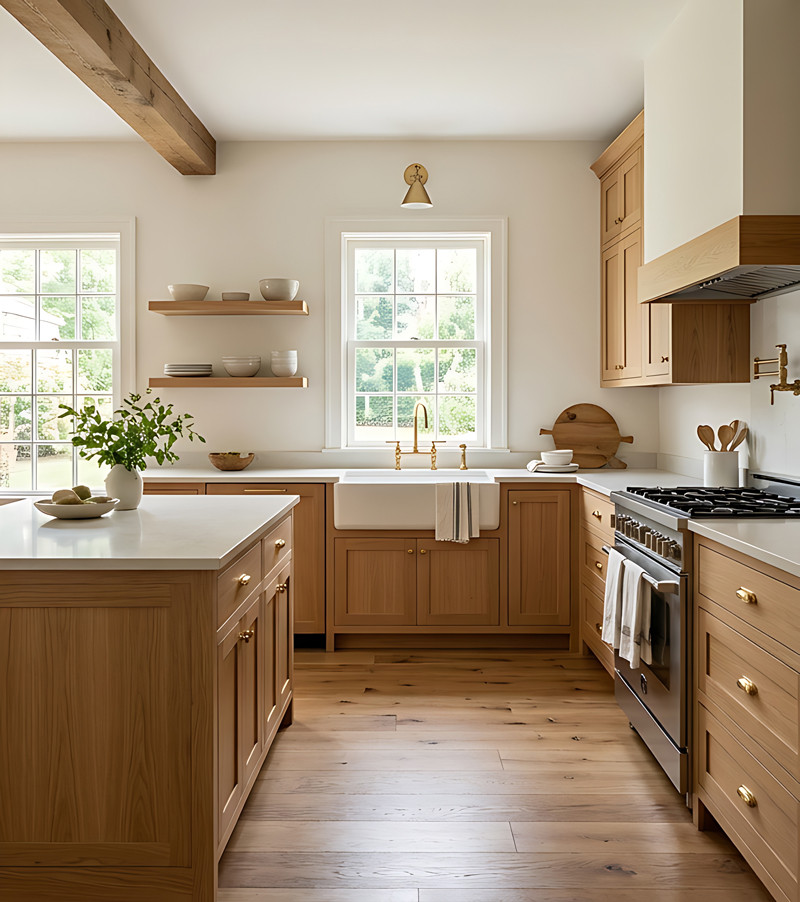
Serving homeowners from our showroom in Dalton, Georgia, Carpets of Dalton has helped families across North Georgia and Tennessee, including Chattanooga, Calhoun, Ringgold, Cartersville, Marietta, and the greater Atlanta area, choose flooring that looks beautiful and lasts. Laminate is one of the most popular choices we carry, and for good reason. It is durable, budget-friendly, and available in gorgeous wood-look designs. But like any floor, laminate can develop problems when a few key details are overlooked. Two of the most common are buckling and gapping.
The good news is that both are largely preventable once you understand what causes them. Here is what our flooring experts want every homeowner to know.
Quick Summary
- Buckling happens when laminate planks lift, peak, or warp, usually from moisture or a missing expansion gap.
- Gapping happens when planks pull apart and leave visible spaces, usually from dry air, skipped acclimation, or subfloor issues.
- The main culprits are moisture, temperature and humidity swings, poor subfloor prep, and rushed installation.
- Prevention comes down to proper acclimation, correct expansion gaps, steady indoor humidity, and professional installation.
- For moisture-prone rooms, a waterproof product may be a smarter fit than standard laminate.
What Buckling and Gapping Actually Look Like
Before we get into causes, it helps to know exactly what you are seeing on the floor.
Buckling
Buckling shows up as planks that rise, peak in the middle, or lift along the edges and seams. In severe cases the floor can look wavy or feel uneven underfoot. This means the planks have expanded and have nowhere to go, so they push against each other and lift.
Gapping
Gapping is the opposite problem. Planks contract or drift apart, leaving thin lines or noticeable spaces between boards. Sometimes gaps open and close with the seasons, which is a strong clue that humidity is playing a role.
Why Laminate Floors Buckle
Laminate is a floating floor, which means it is not glued or nailed down. Instead, planks lock together and “float” over the subfloor. That design is convenient, but it also means the floor needs room to expand and contract naturally. When that movement is restricted or when moisture gets involved, buckling follows.
Moisture and Water Exposure
Moisture is the number one cause of buckling. The core of most laminate is made from a wood-based material that swells when it absorbs water. Spills left to sit, leaks under appliances, high humidity, or mopping with too much liquid can all introduce enough moisture to make planks expand and lift. Our laminate care guide covers the cleaning habits that keep moisture from becoming a problem.
A Missing or Undersized Expansion Gap
Laminate needs a small gap, usually around a quarter inch, around the entire perimeter of the room. This space lets the floor expand toward the walls instead of pushing against itself. When that gap is skipped, cut too small, or covered by trim pressed too tightly, the planks have nowhere to move and they buckle. This is one of the most common reasons for correct laminate installation to matter so much.
Skipped Acclimation
New laminate needs time to adjust to the temperature and humidity of the room where it will live. When planks are installed straight out of the box without acclimating, they can expand or shrink dramatically after installation, leading to buckling or gapping down the line.
Heavy Furniture Pinning the Floor
Because laminate floats, extremely heavy furniture placed across seams can occasionally trap the planks in place. When the surrounding floor tries to expand and one section cannot move, pressure builds and buckling can result.
Why Laminate Floors Gap
Gapping usually points to contraction, movement, or a locking system that has been compromised.
Dry Indoor Air
In the cooler months, heating systems pull humidity out of the air. Laminate responds by contracting slightly, and if conditions get dry enough, small gaps can open between planks. This is why many gaps appear in winter and shrink again when humidity rises.
Improper Acclimation
Just as skipped acclimation can cause buckling, it can also cause gapping. If planks were installed while holding too much moisture, they shrink as they dry out, and the floor pulls apart.
Subfloor Problems
An uneven, dirty, or poorly prepared subfloor can prevent planks from locking together securely. Over time, foot traffic works those weak joints loose and gaps appear. A level, clean, properly prepped subfloor is the foundation of a floor that stays tight.
A Weak or Damaged Locking System
Laminate planks rely on a click-lock edge to stay connected. If planks were forced together, damaged during installation, or are lower quality, those joints can separate under everyday use.
How to Prevent Buckling and Gapping
Most laminate problems trace back to installation and environment. Here is how to keep your floor flat, tight, and beautiful for years.
Acclimate the Flooring First
Let your laminate sit in the room where it will be installed for the time the manufacturer recommends, usually at least 48 hours. This simple step lets the planks settle to the home’s normal temperature and humidity before they are locked in place.
Always Leave the Expansion Gap
Make sure the recommended expansion gap is left around every wall, doorway, and fixed object. Baseboards and transition strips should cover the gap without pressing the planks down. When this is done correctly, the floor can breathe with the seasons.
Control Indoor Humidity
Keeping your home’s humidity in a steady range, generally around 30 to 50 percent, prevents the extreme swelling and shrinking that leads to both buckling and gapping. A humidifier in dry winters and good ventilation in humid summers go a long way.
Prepare the Subfloor Properly
The subfloor should be clean, dry, and level before installation. Low spots should be filled and high spots sanded so planks lock evenly across the entire floor. This is one of the biggest advantages of professional installation.
Clean Up Spills Quickly and Mop Lightly
Wipe up spills as soon as they happen and avoid wet mopping. Use a damp cloth or a cleaner made for laminate rather than soaking the surface. For rooms where water is a constant, consider whether a different product is a better match.
Use Furniture Pads and Rugs
Felt pads under heavy furniture and rugs in high-traffic zones reduce stress on the planks and help the floor move freely. This small habit protects both the finish and the joints.
Choose the Right Product for the Room
Standard laminate performs beautifully in bedrooms, living rooms, hallways, and home offices. For bathrooms, laundry rooms, and other wet areas, a waterproof luxury vinyl floor is often the smarter choice, since it handles moisture that standard laminate cannot. If you love the look of wood, our wood-look laminate and laminate styles offer plenty of design options to explore.
What to Do If Your Floor Is Already Buckling or Gapping
If you are already seeing lifting planks or opening seams, do not panic. Start by identifying the source. Look for leaks, recent spills, or seasonal humidity changes. Minor gaps caused by dry air often close on their own when humidity returns. Buckling caused by a missing expansion gap or an active moisture source usually needs to be corrected before it spreads, and that is where an experienced installer makes a real difference.
Our team can help you understand what is happening with your floor and recommend the right path forward, whether that means an adjustment, a repair, or exploring a new laminate flooring option that better fits your space.
Visit Carpets of Dalton
Choosing the right floor, and having it installed correctly, is the surest way to avoid buckling and gapping altogether. As your local flooring company, we are here to guide you from the first design idea to the finished room. Stop by our large Dalton, GA showroom to see our custom flooring options in person, or reach out with your questions. We proudly serve homeowners throughout North Georgia and Tennessee.
Ready to find the perfect laminate for your home? Contact us today and let our flooring experts help you create a space you will love for years to come.